

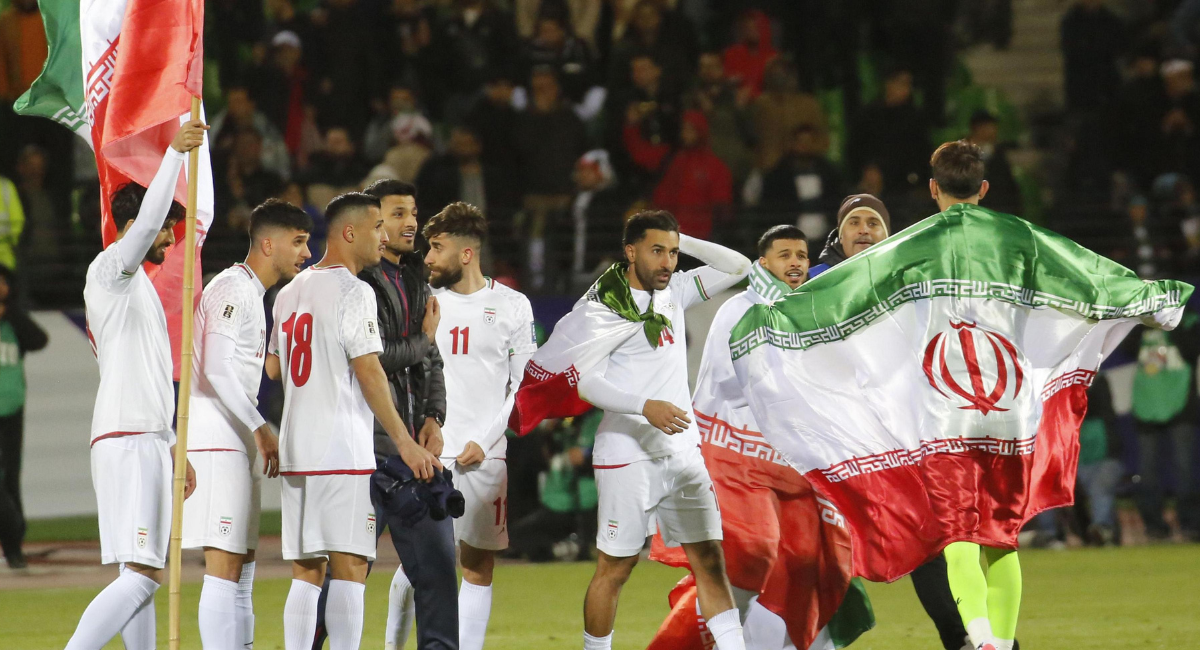
Iran World Cup boycott debate flares up after Mehdi Taj, president of the Iranian Football Federation that Iran will “boycott the United States” but participate in future FIFA World Cup 2026 His comments, given in a video address, underscore the increasingly fraught combination of geopolitics and global sport ahead of one of soccer’s biggest festivals.
A stance over the World Cup does not represent a withdrawal from the tournament itself, therefore, Iran World Cup boycott Instead, the decision reflects Tehran’s stance in ongoing diplomatic tensions with the United States, one of three host nations with Canada and Mexico.
Iran World Cup Boycott Explained
Taj said Iran is still committed to play in the World Cup and rejected speculation that it might withdraw. But the Iran World Cup boycott applies only for games played on American soil. That poses a complex logistical challenge for tournament organizers.
Accompanied by the existing schedule, Iran is anticipated to play multiple group-stage matchups in the United States. Taj said the federation was in preliminary talks with FIFA to move those fixtures to Mexico because of political sensitivities and security concerns.
This finely balanced position highlights that the Iran World Cup boycott is as much about diplomatic posturing as it is about sporting protest, with tensions between Tehran and Washington continuing to influence global interactions.
FIFA Faces Scheduling Challenge
The Iran World Cup boycott has put FIFA in a difficult spot. As the international governing body of football, FIFA has to navigate between political neutrality and practical concerns. Moving match venues for one team might lay the groundwork — cue similar calls from other countries embroiled in geopolitical disputes.
FIFA has yet to provide a formal answer regarding Iran’s request. But insiders say contingency planning is already being carried out as a consequence of the scale and complexity of the 2026 tournament, which will see 48 participating teams across multiple host nations.
The Iranian World Cup boycott, then, could be a test case for how world sporting bodies respond to political conflict — without compromising the integrity of competition.
Also read: Lionel Messi 900th goal
What to Know About Iran World Cup Boycott and Its Geopolitical Context
The Iran World Cup boycott stems from decades of tensions between Iran and the United States. The two countries have had strained diplomatic relations for decades, with the disputes covering nuclear policy, economic sanctions and regional security.
Those tensions have at times spilled into the world of sport in recent years. Soccer, despite being a supposed unifier, has not escaped its gravitational pull. Taj’s statement captures a broader domestic sentiment in Iran, where political calculations often shape participation on the international stage.
In opting for a partial boycott instead of a full withdrawal, Iran seems to be walking a tightrope — sending its political message while keeping its presence on a grand stage of world football.
Global Reactions and What’s Next
The response to the boycott over Iran’s World Cup participation has been mixed. Some analysts see the step as a hard-nosed compromise, one that lets Iran compete while steering clear of politically sensitive sites. Others warn that could entangle tournament logistics and stretch FIFA’s preference for neutrality.
Mexico, meanwhile, has become a potential host for Iran’s matches. Having both the infrastructure in place and experience of hosting major tournaments, the country may have a key part to play in resolving the situation should FIFA grant their request.
The Iran World Cup boycott will certainly be one of the issues to watch as we approach the 2026 World Cup. It reflects the difficulty in putting together a truly global fest in an age riddled by geopolitical fissures.
For now, one thing is clear: Iran plans to partake in the World Cup — but on its own terms.