

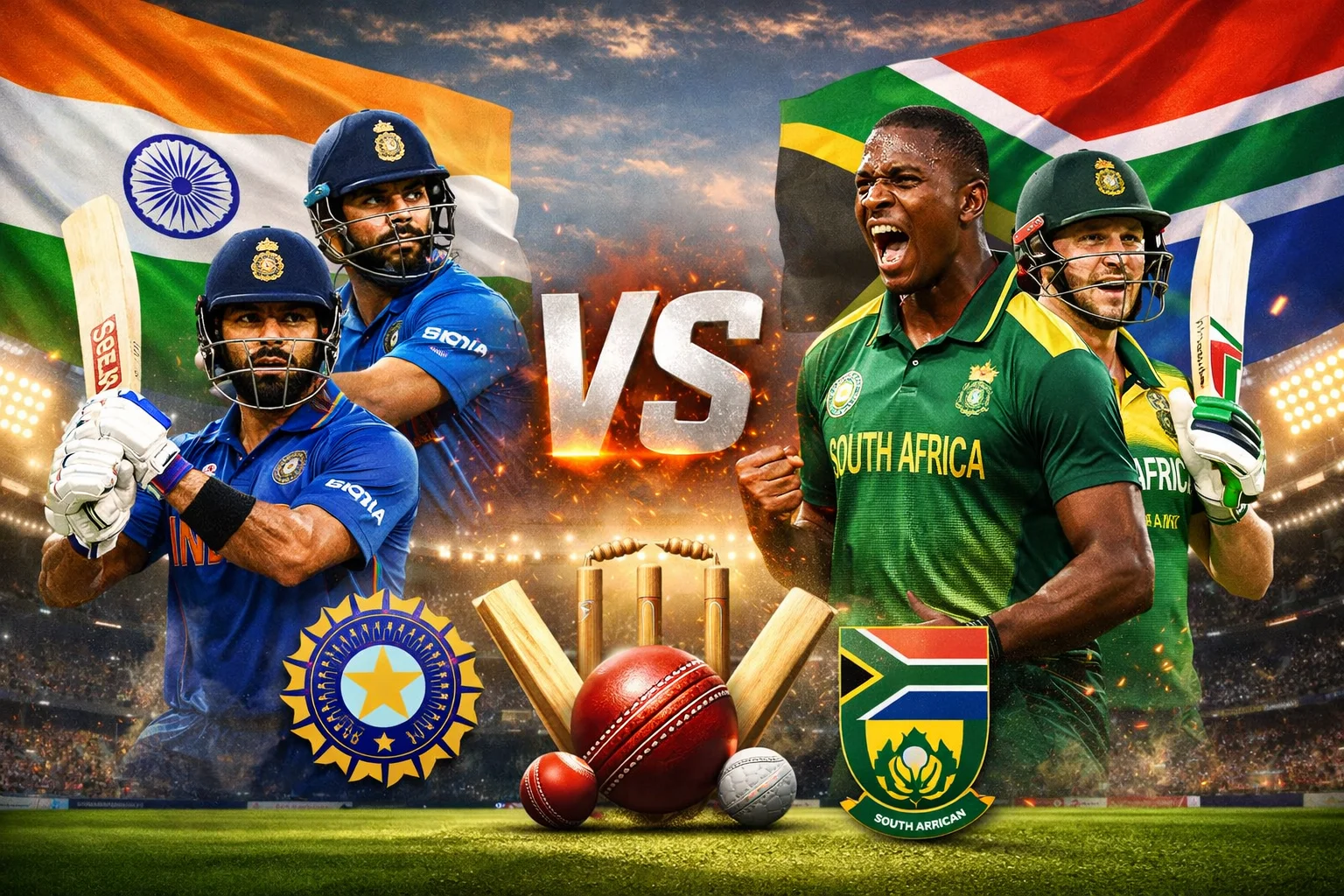
Cricket rivalries often grow through decades of competitive matches, changing generations, and unforgettable performances. The timeline of the India national cricket team vs South Africa national cricket team is one of the most fascinating stories in international cricket. From historic first encounters after South Africa’s return to international cricket in the early 1990s to modern-day high-pressure ICC tournaments, this rivalry has evolved into a clash of skill, pace, spin, and resilience.
In this comprehensive timeline, we’ll explore how the rivalry began, the major turning points, iconic series, standout players, and how both teams have shaped each other’s cricketing journeys.
The Beginning of a New Era (1991–1993)
The India vs South Africa cricket rivalry officially began in 1991, shortly after South Africa was readmitted to international cricket following the end of apartheid. This period marked a significant moment not just for cricket but for global sports diplomacy.
India toured South Africa in 1992, and it was a historic tour for several reasons. The conditions were vastly different from Indian pitches, offering pace and bounce that tested Indian batters. For South Africa, hosting India was symbolic of their return to the international stage.
This early phase of the rivalry was dominated by disciplined bowling and cautious batting. Matches were intense but respectful, laying the foundation for a competitive relationship that would grow stronger over time.
Key Highlights:
- India’s first full tour of South Africa introduced fans to a new competitive dynamic.
- Fast bowlers from both sides began shaping the narrative of this rivalry.
- Mutual respect developed between the teams during this transitional cricket era.
Growing Competition in the Late 1990s
By the mid to late 1990s, both teams were building strong squads. India had legendary batters who thrived at home, while South Africa possessed one of the most balanced teams in world cricket.
During this period:
- Test series became fiercely contested.
- One Day Internationals gained popularity due to aggressive batting and tactical bowling.
- The rivalry started attracting global attention because of its unpredictability.
South Africa’s pace attack often dominated in home conditions, while India used spin and batting depth to challenge visiting teams. Matches were rarely one-sided, which made the timeline richer and more dramatic.
The Early 2000s: Intensity and Classic Encounters
The early 2000s witnessed some of the most memorable moments between India and South Africa. Both teams entered a new era with modern strategies, improved fitness levels, and aggressive cricket.
India’s tours of South Africa during this time tested their adaptability. The bounce and seam movement forced Indian batters to evolve their technique, which eventually strengthened India’s overseas performances.
Notable Trends:
- Close Test matches with dramatic finishes.
- ODI encounters featuring high-pressure chases.
- Emergence of star players who defined the rivalry for a generation.
Fans began to see India vs South Africa as a clash of contrasting cricket cultures — flair and spin against pace and athleticism.
2006–2010: A Balanced Rivalry Takes Shape
Between 2006 and 2010, the competition became more evenly matched. India started performing better overseas, while South Africa proved capable of winning in subcontinent conditions.
During this era:
- Test matches were highly competitive, with both teams winning key series.
- ODI cricket showcased explosive batting performances.
- T20 cricket began to influence strategies and player roles.
The inaugural ICC Men’s T20 World Cup in 2007 added another layer to the timeline, as India and South Africa faced each other in a high-pressure environment. Matches were fast-paced and unpredictable, reflecting the changing nature of modern cricket.
2011–2015: High Stakes and ICC Tournament Drama
The period between 2011 and 2015 saw both teams at the peak of their competitive powers. India, boosted by a strong batting lineup and experienced leadership, faced a South African side known for discipline and fielding excellence.
This era produced:
- Thrilling World Cup clashes.
- Bilateral series filled with close finishes.
- Outstanding individual performances from batters and bowlers alike.
India’s adaptability improved significantly during overseas tours, while South Africa’s consistency made them one of the toughest teams to beat across formats.
Fans remember this phase as one of the most exciting chapters in the India vs South Africa timeline because every match felt like a battle between equals.
2016–2019: Tactical Evolution and New Leaders
As cricket moved toward a more data-driven and strategic approach, both teams entered a transitional phase. New captains, young talents, and innovative game plans changed how matches were played.
India began dominating at home with spin-friendly pitches, while South Africa relied heavily on pace bowling and aggressive field placements.
Important Developments:
- Test series became tactical battles of patience.
- Limited-overs cricket showcased big totals and fearless batting.
- Emerging players added fresh energy to the rivalry.
This period also saw India’s rise as a dominant force in international cricket rankings, which made encounters with South Africa even more significant.
2020–2023: Modern Cricket and Changing Dynamics
The modern phase of the India vs South Africa rivalry has been defined by adaptability and depth in both squads. With cricket calendars becoming busier, bilateral series and ICC tournaments offered frequent clashes between the two sides.
Key Characteristics of This Era:
- Faster scoring rates in ODIs and T20Is.
- Greater reliance on all-rounders.
- Advanced analytics influencing team selection.
South Africa’s young talents brought unpredictability, while India’s strong bench strength ensured consistent performances across formats.
Fans witnessed several high-scoring matches, nail-biting finishes, and intense bowling spells that highlighted how far the rivalry had evolved since its early days.
2023–2025: A New Chapter of Rivalry, Young Talent, and Modern Strategies
From 2023 to 2025, the India national cricket team vs South Africa national cricket team timeline entered a fresh and evolving phase marked by new-generation players, tactical cricket, and high-pressure encounters. Both teams focused on building balanced squads where experienced leaders guided emerging stars, creating a competitive and unpredictable rivalry.
After 2023, bilateral series and ICC tournament matches added new intensity to this historic contest. India relied on its strong batting depth and versatile bowling combinations, while South Africa continued to challenge opponents with its powerful pace attack and dynamic middle order. Limited-overs matches during this period often featured high scoring rates, aggressive powerplay strategies, and thrilling run chases that kept fans engaged until the final overs.
Throughout 2024, modern cricket trends became even more visible. Teams emphasized flexible batting orders, innovative shot-making, and the growing importance of all-rounders. Bowling strategies also evolved, with captains using data-driven field placements and variations during the death overs. Young players from both sides stepped up in crucial moments, showing maturity and confidence in international pressure situations.
By 2025, the rivalry had become more balanced than ever. Results frequently depended on pitch conditions, match momentum, and tactical decisions rather than long-term dominance by one team. India continued to show strength in home conditions, while South Africa demonstrated resilience on overseas tours. Improved fitness standards, advanced analytics, and fearless cricket shaped this modern era, making the India vs South Africa timeline more exciting and competitive for global cricket fans.
ODI Rivalry Timeline: From Strategy to Power-Hitting
The One Day International format has provided some of the most thrilling moments in the India vs South Africa timeline.
Earlier matches focused on careful batting and disciplined bowling. However, modern ODIs transformed into high-scoring spectacles, with totals frequently crossing 300 runs.
Highlights of the ODI timeline include:
- Dramatic chases under pressure.
- Individual centuries that turned matches around.
- Strategic use of powerplays and death bowling.
The evolution of ODI cricket mirrors the growth of this rivalry — moving from traditional strategies to fearless modern play.
T20I Timeline: Speed, Innovation, and Entertainment
The T20 era brought a new flavor to the India vs South Africa rivalry. Matches became shorter but more intense, with every over carrying significant impact.
Key Elements of the T20 Timeline:
- Aggressive opening partnerships.
- Creative bowling variations.
- Fielding brilliance deciding close games.
T20 encounters often attract massive viewership because both teams possess explosive hitters and adaptable bowlers, making outcomes unpredictable until the final ball.
Iconic Players Who Shaped the Rivalry
While the timeline focuses on team battles, individual players have played crucial roles in defining the India vs South Africa story.
Indian batters have delivered remarkable performances in challenging overseas conditions, while South African fast bowlers have produced unforgettable spells against strong batting lineups.
All-rounders from both sides have also added depth, turning matches with both bat and ball. These individual contributions ensure that every era of the rivalry has its own heroes and defining moments.
Head-to-Head Evolution Over the Years
The head-to-head record between India and South Africa has remained competitive across formats. Instead of one team dominating completely, the rivalry has been characterized by cycles of momentum.
- Early years favored South Africa in pace-friendly conditions.
- India gradually strengthened its overseas performances.
- Modern matches show a balanced contest where venue and form often decide the outcome.
This balance is one of the main reasons why cricket fans consider India vs South Africa a true sporting rivalry rather than a predictable matchup.
Why This Rivalry Matters in Modern Cricket
The timeline of India vs South Africa goes beyond statistics. It represents two cricketing cultures evolving alongside each other.
Reasons this rivalry remains special:
- Consistent competitiveness across formats.
- Mutual respect between players.
- Memorable matches that influence global cricket narratives.
Whether it’s a Test series in challenging conditions or a high-pressure T20 match, encounters between these teams rarely disappoint fans.
The Future of India vs South Africa Matches
Looking ahead, the rivalry is likely to grow even stronger. Younger players from both sides bring fresh energy, while modern training methods continue to raise the level of competition.
Future timelines may include:
- More high-scoring T20 encounters.
- Strategic Test matches influenced by analytics.
- ICC tournament clashes that add new chapters to this historic rivalry.
As cricket evolves, the India vs South Africa timeline will continue to reflect the sport’s changing nature while preserving its competitive spirit.
Conclusion
The India national cricket team vs South Africa national cricket team timeline is a story of transformation, resilience, and sporting excellence. From the historic first meetings in the early 1990s to modern-day high-intensity matches, this rivalry has grown into one of international cricket’s most respected contests.
Each era has brought new challenges, legendary performances, and unforgettable moments that keep fans eagerly awaiting the next clash. With both teams constantly developing new talent and strategies, the future promises even more thrilling chapters in this remarkable cricketing journey.